
SlicedBrand Articles
Hiring a PR agency? Look for these 7 things
Find a PR partner with great storytelling skills to catch media attention

Kalena Hermes

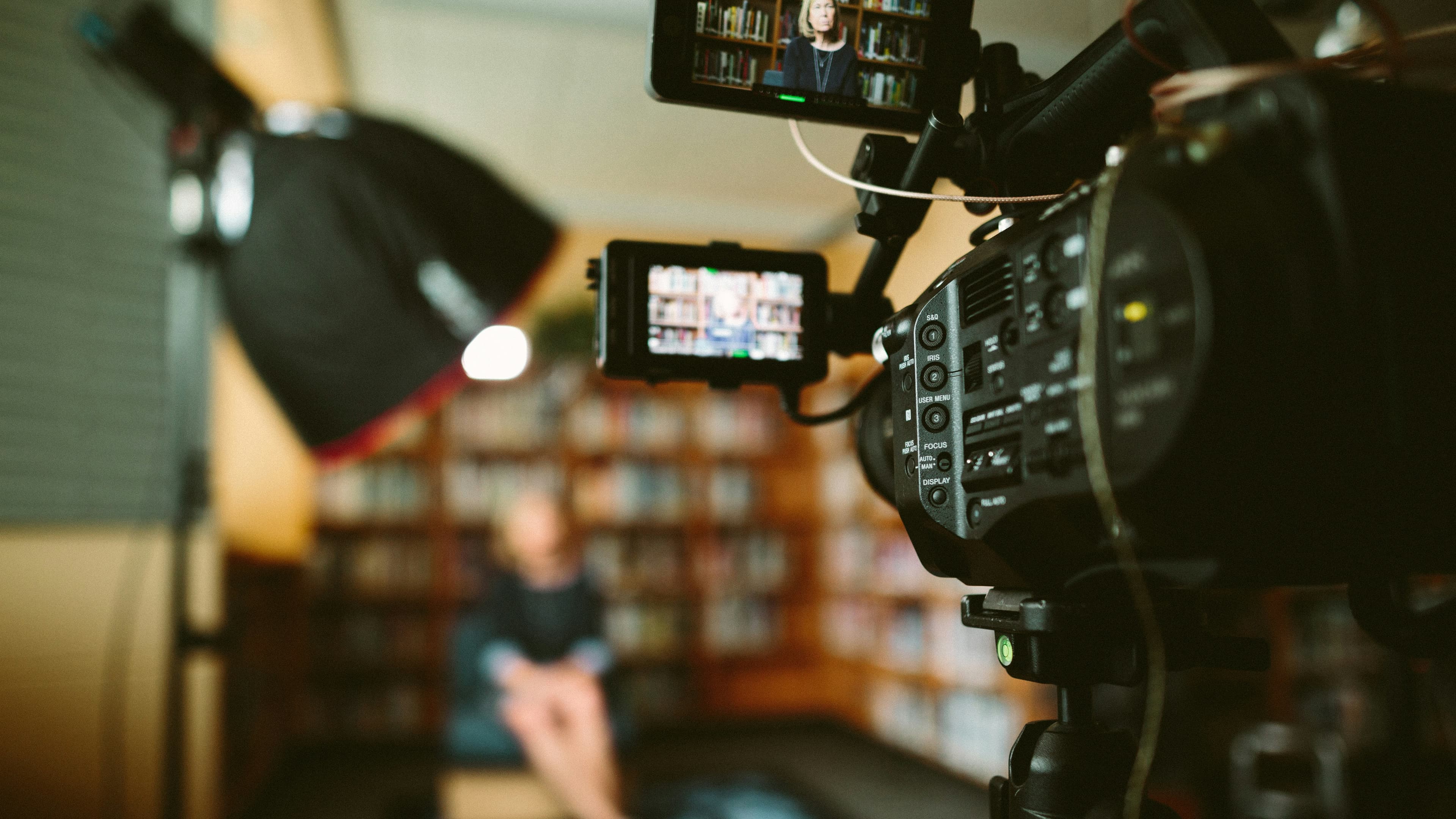
A few habits help you look engaged and sound effortless
Virtual interviews aren’t new, but they can still feel a little awkward. These days, virtual interviews have become the norm, and in many cases, they’re actually preferred over in-person meetings because they’re faster, easier to schedule, and more flexible. You want to build trust, show your personality, and make your points while staring at a tiny lens and hoping your Wi-Fi stays strong.
The good news is that the basics of virtual media interviews are still the same. Being prepared and having clear messages always helps. Here are our tips on having a great video interview, whether it’s with a journalist or a podcast host.
Start with the unglamorous stuff, the tech. A virtual interview can be going perfectly, and then one glitch makes you feel like you’re shouting into the void. Before you join, do a quick run-through in the exact spot you’ll be sitting during the interview. Check your internet connection, test your microphone and speakers, and make sure your camera looks clear and steady.
Once the tech is in good shape, pair that with a clean, quiet background that keeps the focus on you. Keep it simple, avoid visual clutter, and light your face from the front with natural light or a lamp placed slightly above eye level.
Body language matters just as much as what you say. Even when you’re sitting, your posture communicates confidence. Sit on the edge of your chair and lean forward slightly when you speak; around 20 degrees is perfect. Good posture opens up your diaphragm, so your voice sounds fuller, prevents slumping, and makes you look engaged. Try not to let your back rest on the chair, and avoid crossing your arms or hiding your hands since it can read as closed off. If you can, choose a steady chair over a swivel chair, because nervous energy plus spinning is an easy way to distract from your message.
Body language also includes eye contact. When you’re making a point, look into the lens, not at your own face on the screen or the host’s thumbnail. When you pause to think, look down at notes or your desk instead of up, which can make you seem like you’re searching for an answer.
Finally, remember you want to make a genuine connection. Using the journalist’s name a few times builds rapport and makes the conversation feel human. And yes, don’t forget to smile.
Being on video and looking into a camera is an artificial environment. You have seconds to sell your story. Even great leaders can ramble, talk too fast, or fill space with “ums” and “like” when they’re waiting on a tiny delay or get stuck. A great way to help with this is to practice out loud. Do one recorded run-through. You’ll spot what needs more work immediately, and you’ll start sounding like the best version of yourself.
From there, tighten your focus to what you actually want someone to remember when the interview ends. Before any interview, pick two or three points that you want to land. Then, once you’re in the conversation, answer the question you were asked and smoothly steer back to those points. That bridge back to your points is what keeps you from getting dragged into the weeds, and it can be as simple as, “That’s a great question. What we’re really focused on is…” or “Let me put that in context for you…” Podcast interviews make this even more important because you often get a longer runway to talk, and longer answers are totally fine as long as they end somewhere intentional.
Think like a storyteller, not a person giving a lecture. Journalists and hosts are listening for clean moments they can use, remember, and share with their audience, which is why short, complete thoughts work best. Lead with a one-sentence headline, follow with a quick example, and end with why it matters. This will keep you from wandering and it naturally creates soundbites. It is also where repetition becomes your friend. If you want people to remember your company name, product name, or main message, you have to say it more than once. Pick your “magic words” and weave them in naturally across the conversation, especially when you’re summarizing a point or wrapping up an answer.
Once your interview starts, it’s your job to make it easy for the other person to focus on what you’re saying, not what’s happening around you. Video makes tiny habits feel louder than they are, and microphones pick up everything. So take two minutes to clear the runway. Silence notifications on your phone and laptop, close extra tabs, and keep your desk free of anything you’ll nervously tap, click, or twirl.
Virtual interviews can be unpredictable and composure is all part of the performance. Dogs bark, door bells ring, audio echoes, the host can’t hear you, or the recording starts late. If something goes wrong, narrate the fix calmly and confidently: “Give me 10 seconds, I’m switching my headset.” And if a question puts you on the spot, don’t panic or overexplain. Acknowledge it, then bridge to what you can say: “I can’t share specifics on that right now, but what I can say is…” If you can, take a brisk walk before the call to wake up your voice and brain, and keep a one-page cheat sheet near the camera with your key messages and proof points.
Virtual media interviews are the go-to for media and podcasts now, because they’re quicker to book and easier for everyone. And with smaller newsrooms and tighter deadlines, journalists are often moving fast. They need clean, usable quotes and clear takeaways without a lot of back-and-forth. So when you show up on camera, you’re not just showing up. You’re helping them do their job and meet their deadlines.
With delivery becoming part of your brand, before your next call, return to the basics. Set your stage before you begin. Remember that body language matters. Practice makes perfect. And remove distractions and stay calm so your message comes through clearly.
Do that, and you won’t only get through the interview. You’ll lead it, and you’ll leave the other side remembering exactly what you wanted them to remember.
Find a PR partner with great storytelling skills to catch media attention

Journalists are tired of "AI-powered" pitches. Here's how to sharpen your story so it actually gets read, not filed with the rest.

-ubJIR8jVOXHMqkbbHdCOm9mrwpBUHh.jpg&w=3840&q=75)
AI finds the brands with real authority
