
SlicedBrand Articles
Hiring a PR agency? Look for these 7 things
Find a PR partner with great storytelling skills to catch media attention

Kalena Hermes

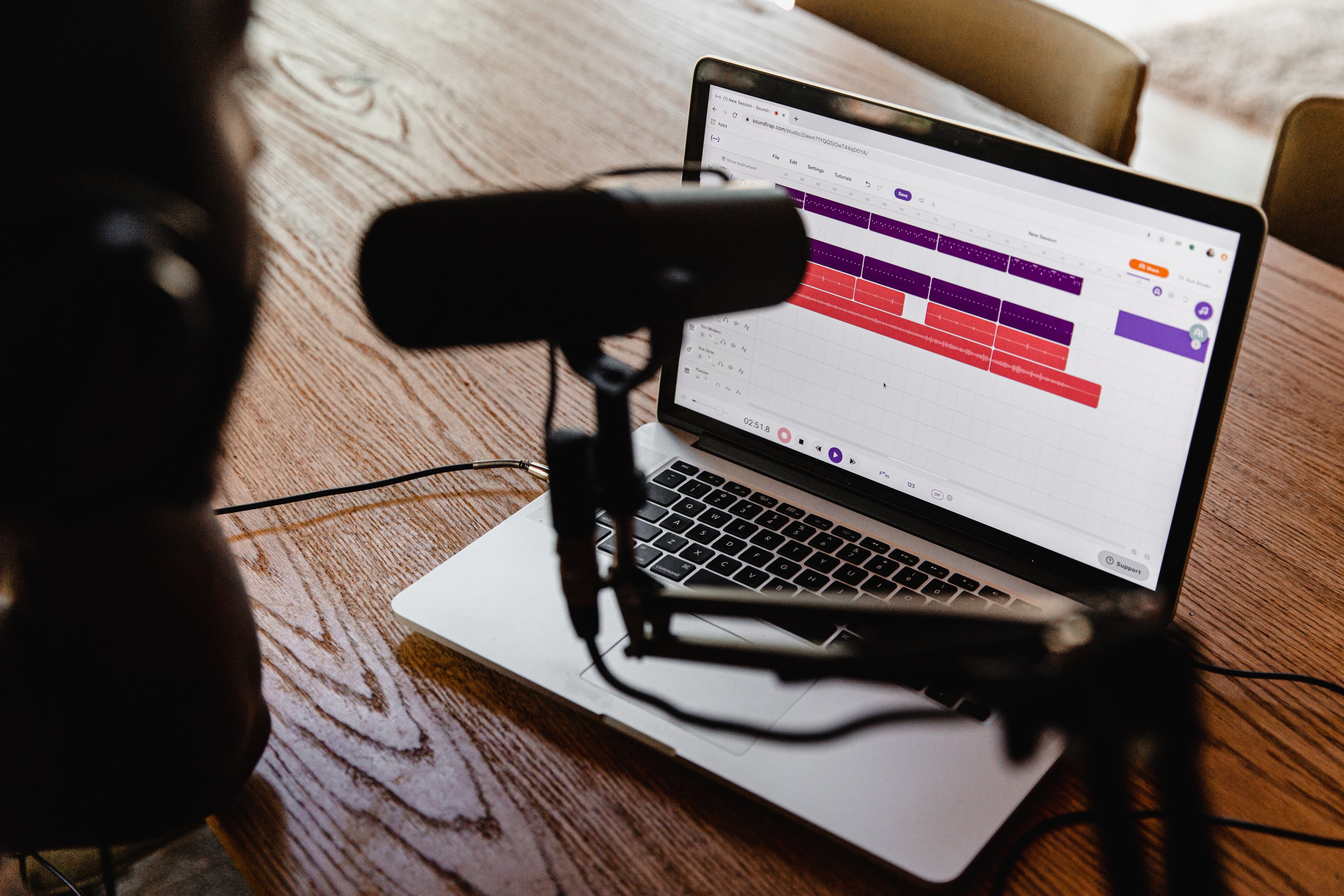
Which is a better strategy? Hosting your own show or guesting on someone else's?
Getting your brand in front of podcast audiences can be a powerful tool for your PR strategy. Specifically, being a guest on niche shows is a popular strategy when trying to reach specific verticals but there may come a point where you begin to ask yourself if your startup should start its own show.
Which is more effective? Being a guest on popular shows, or taking the leap in building your own loyal audience? Guesting on established podcasts can provide an easy and low-cost way to reach new audiences and connect with industry leaders. On the other hand, starting your own podcast allows you to have full control over the content and the opportunity to build a loyal following.
There are many things to consider when picking the strategy that is right for you. We have outlined the high-level considerations and a few important questions you should ask yourself when deciding what avenue to take.
Guesting: Less work, less control
Being a guest on a podcast is a great way to promote your startup with a lot less effort and resources than hosting your own show. It is easier to take an hour to jump on a mic and immediately leverage the trust that the host has with the audience and share how your startup is changing the world.
It also provides an opportunity to not only reach new audiences but also connect with journalists and podcast hosts within your specific industry. If you and the host hit it off there is an opportunity for future collaboration, additional coverage, and maybe even a partnership.
However, there are a few “cons” to guesting that you need to consider. The most predominant being that as of 2023, podcast analytics are hidden from the general public, so although you can make an educated guess on how big the show's audience is, unless the host provides that information, it’s possible you can spend an hour talking to a small, disengaged audience without even knowing it.
As a guest, you have no control over the editing and post-production of the content along with no control over the type of questions you will be asked during the interview. Many hosts steer clear of promotional content, so although you may be thrilled about what problems your startup solves, the host may take the conversation in another direction.
Hosting: More work, more control
It should come as no surprise that starting and producing your own show is a lot of work. There is a time-cost trade-off when producing. A show can be produced for next to nothing, however, the time commitment is substantial as all post-production editing is handled in-house. On the other hand, you can outsource production but there will be a good span of time before you will see a return on investment as shows take a bit of time to monetize.
Another downside to hosting is that audience growth is an uphill battle and unless you are moving one engaged audience over into your show it can take much longer than it seems to build a podcasting audience. Even with an established audience, many people think they can easily bring over a social media following into a podcasting app, and although it definitely helps, it is not easy asking someone to jump off one platform and onto another.
Another thing to keep in mind, if you decide to host an interview show, is the time and intention it takes to select the right guests, research their history, and prepare thoughtful questions. Although connecting with new and interesting guests is a perk to hosting your own show, it is time-consuming.
If you can overcome these barriers, and have the patience to navigate gradual growth, hosting your own show can be huge for your brand. Not only are you establishing yourself as a thought leader in the space, but you are also investing in a loyal community that will “buy into” whatever you are selling, whether that be a product or an idea.
By hosting your own show, you also have full control over the editing and topics discussed, which allows you to tailor the content to your target audience. You will have the opportunity to lead thoughtful conversations with people you want to connect with, who you may not have had the chance to otherwise.
But which one is better?
There are three questions that will be helpful in determining which direction is best for your startup. Keep in mind there is no right or wrong conclusion, just a realistic one on what is best for your brand. Ask yourself the following:
The first question should be a given, but it is difficult to remain focused when there are a lot of new shiny fads and trends at our fingertips. Are you wanting to build your personal brand? Is the goal to increase visibility for your startup, or connect with a specific audience? You have to remember to stay focused and remind yourself what your goals are. Having clarity will help you not only decide what is right for you but also gives you a simple way to measure success.
Next, you'll want to be realistic about the tools and resources at your disposal. Hosting your own show takes a significant amount of time in writing material, planning, producing, and marketing. Despite what it may seem, unless you can outsource, a smaller percentage of your time will be spent actually hosting.
The last question may be easy to dismiss but sit with it for a moment. Do you enjoy going on someone else's show and speaking to another audience? Do you enjoy not knowing what is going to be asked and having a different experience every time you jump on a mic? On the other side, do you enjoy planning shows, organizing content, and building your own audience?
Either route you go is going to take time, so it is important you are passionate about what you do. Enjoying the process will give you the necessary stamina to endure the inevitable obstacles from both approaches.
Proceed confidently
Whatever you decide, proceed confidently. There are people who are leveraging other people’s audiences and having tremendous success simply guesting on other people's shows. There are also people who have become famous for hosting a show entirely on their own. Ultimately, the choice between the two comes down to your own specific goals, the resources available to you, and simply what interests you the most. Weigh the pros and cons of each, but whatever you choose, be sure to make the most of the opportunity.
Find a PR partner with great storytelling skills to catch media attention

Journalists are tired of "AI-powered" pitches. Here's how to sharpen your story so it actually gets read, not filed with the rest.

-ubJIR8jVOXHMqkbbHdCOm9mrwpBUHh.jpg&w=3840&q=75)
AI finds the brands with real authority
