
SlicedBrand Articles
Hiring a PR agency? Look for these 7 things
Find a PR partner with great storytelling skills to catch media attention

Kalena Hermes

SlicedBrand is led by an award-winning team. We are responsible for some of the world’s most successful PR campaigns and continuously secure top-tier coverage across all verticals, from the leading business publications to tech powerhouses, to drive increased brand awareness.

Deciding between PR and advertising? Here's how to choose the best approach for your business.
When it comes to PR, all companies are confronted with the big decision of whether to gain visibility with paid media placements or build credibility and trust organically.
On the one hand, you have a guaranteed path to immediate visibility. On the other, you have a long-term process to build credibility through coverage by respected journalists.
Together, advertising and PR can be a dynamic communication tool, but it’s important to understand that they perform different functions and are achieved in different ways.
So the question is, do you want to pay for advertising or achieve coverage organically?
On the surface, PR strengthens a company’s reputation, builds brand awareness, positions it in a particular way, and works to establish the company as a leader in its industry. But at its core, PR helps companies and their leadership earn the trust of journalists and the publications they serve and build credibility among their readers.
That’s right…It’s a long-term process, but a company that focuses on earning this trust and crafting stories that resonate with journalists and their audiences will see its media coverage snowball over time.
PR is a multifaceted approach to giving journalists something of value. This can take the form of a newsworthy story or expertise. So, what is considered newsworthy? Many people think merely existing is enough, but a good news story must have more substance and show how your company or solution is changing people’s lives or altering the competitive landscape for other major players. And beyond that, the hook or the significance of a story needs to be clearly framed and have a timely aspect.
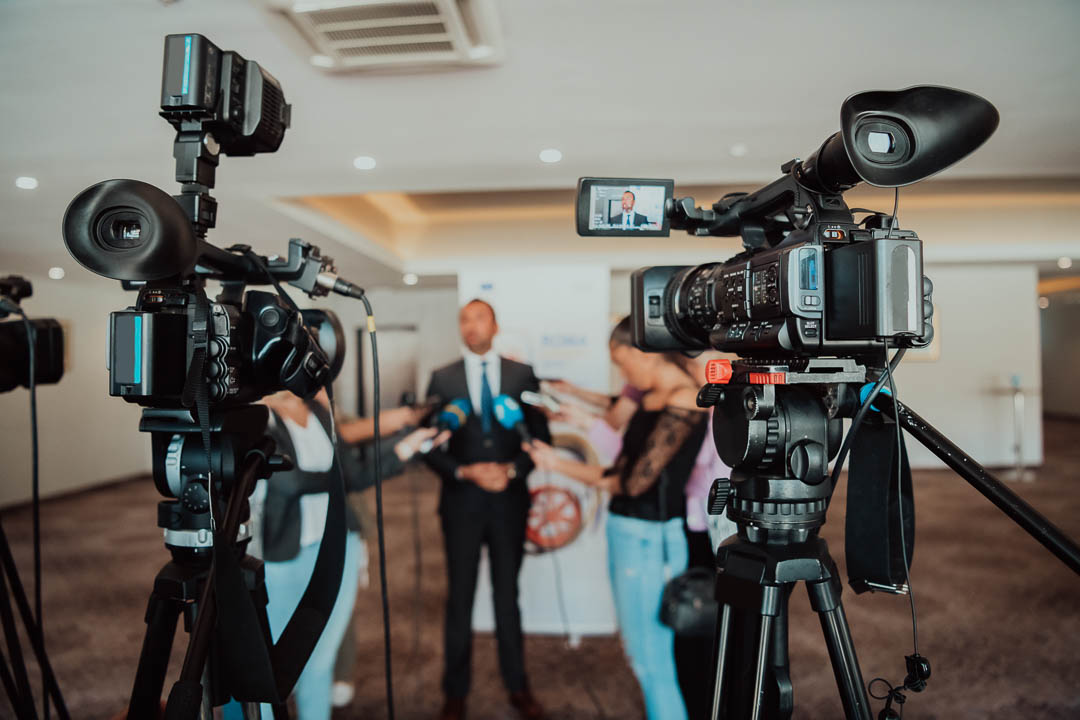
But PR goes even deeper than press releases and the occasional crisis management. To ensure your company’s name is consistently in the news—even when you don’t have news to share—leadership needs to come out of hiding and demonstrate their expertise and advanced insights on their industry in a way that isn’t self-promotional but aimed at extending understanding. This can be done by writing timely guest posts that speak to developments, trends, or predictions in an industry, or it could entail responding to journalists’ media inquiries for an article they’re writing. In addition, PR also works to get leaders in front of journalists and new audiences through public speaking opportunities such as podcast interviews and on-stage talks at conferences. Because, at the end of the day, it’s all about proactive communication strategies.
Pros of PR
Cons of PR
Advertising exists to evoke an immediate response in the audience viewing the content — sometimes in an intrusive manner — to achieve brand awareness, convert customers, and drive website traffic.
Unlike PR, advertising focuses on short-term but guaranteed ad placements as long as you have the budget. The majority of paid advertising entails companies buying spaces on a publication, social media, billboards, or TV commercials to promote their products and services. Sometimes, a simple disclaimer or tag to identify sponsored or branded media content is the only mark that content has been paid for.

Companies can be very precise about which audiences they want to target and even target specific locations, genders, or interests. From digital and traditional advertising to ambient media and product placement, advertising is for companies looking for instant, trackable results that can quickly help them delineate which content they’re pushing out is performing better.
Pros of advertising
Cons of advertising
Ideally, companies should aim to strike a balance between paid and earned media efforts, but budget and other factors don’t always allow for this.
Ask yourself, am I looking to boost sales immediately? Do I have something newsworthy to share with the media? Does the idea of building credibility through a well-placed earned media piece entice me? Am I looking for a shortcut to wide media reach or the validation and recognition that comes with my expertise or news landing organically and resonating with others?
Understanding the key differences and functions of public relations vs. advertising is key before developing any marketing strategy. If PR aligns with what your company is trying to achieve, then check out what PR efforts look like when working alongside a global tech PR agency like SlicedBrand.
Find a PR partner with great storytelling skills to catch media attention

Journalists are tired of "AI-powered" pitches. Here's how to sharpen your story so it actually gets read, not filed with the rest.

-ubJIR8jVOXHMqkbbHdCOm9mrwpBUHh.jpg&w=3840&q=75)
AI finds the brands with real authority
