
SlicedBrand Articles
Hiring a PR agency? Look for these 7 things
Find a PR partner with great storytelling skills to catch media attention

Kalena Hermes

SlicedBrand is led by an award-winning team. We are responsible for some of the world’s most successful PR campaigns and continuously secure top-tier coverage across all verticals, from the leading business publications to tech powerhouses, to drive increased brand awareness.
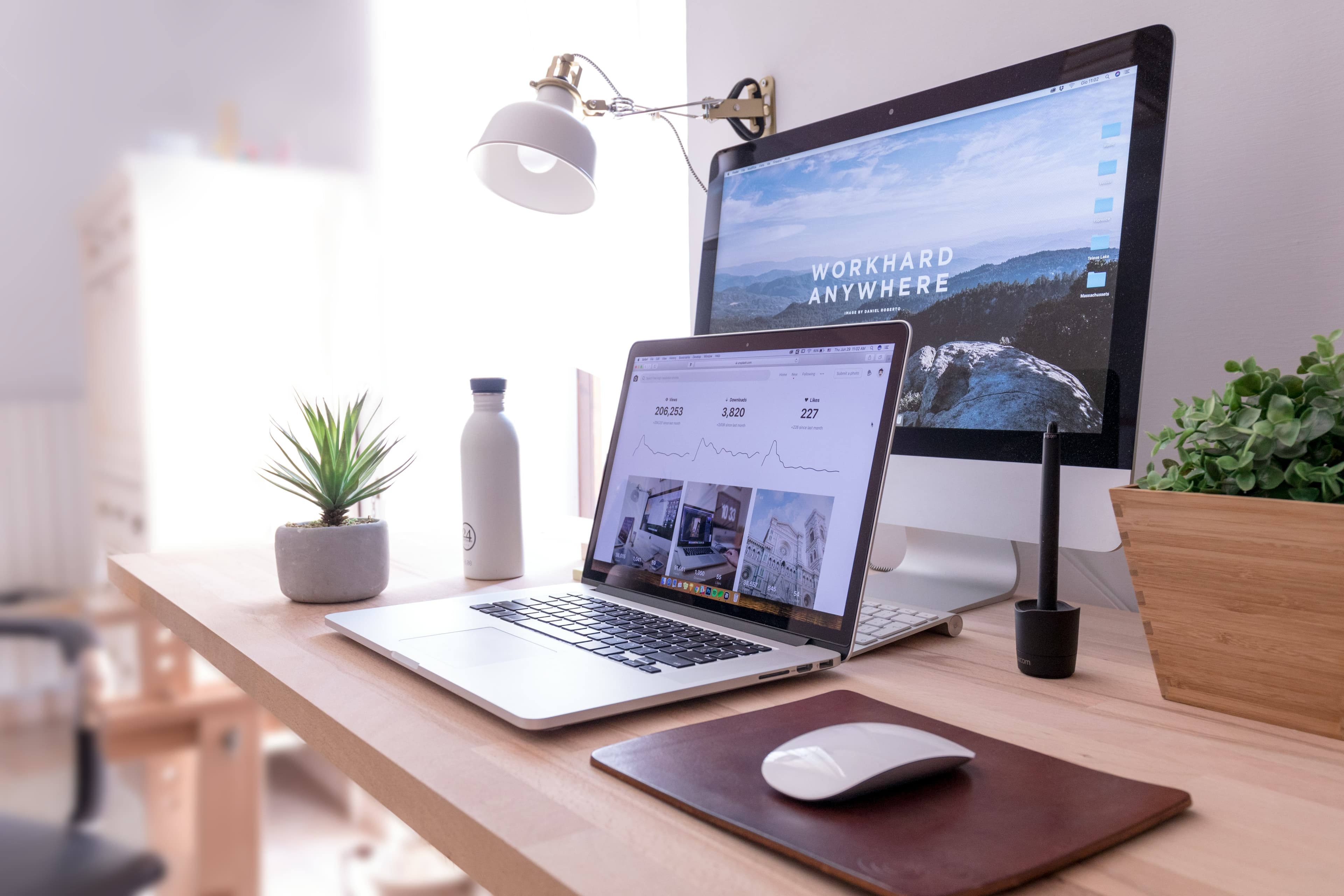
A press page is a powerful tool for gaining media trust and credibility
A press page is an essential tool for any business looking to build trust and credibility with media, stakeholders, and the public. It serves as a centralized location where journalists, potential clients, and investors can access a company's latest news, media coverage, and essential resources. A well-constructed press page can help position a brand as an industry leader, showcasing that the company is recognized by trusted sources in the press.
Building a press page is key to brand elevation, but many leaders aren’t sure where to start.
The first step to creating an effective press page is ensuring it's easy to find. Visitors should be able to access it quickly, without navigating through unnecessary links. To ensure visibility from any page on the website, it’s a good idea to add a “Press” or “Media” link to the main site navigation.
Another great placement for a press page link is in the footer of the site. Additionally, businesses can include links to the press page from About Us or Careers pages, as these sections often attract media professionals and potential employees who may want to know more about the company’s public presence.
The paramount takeaway is simplicity — make the page discoverable without any hassle.
A strong press page highlights the company’s media coverage and demonstrates how news outlets, both large and small perceive the business. It’s important to feature select media coverage that tells a compelling story about the company’s growth, leadership, and industry impact.
Rather than listing every mention of the brand, focus on significant, high-quality pieces. Remember that the size of an outlet doesn’t always indicate quality. Some niche publications are well-read by industry leaders and more knowledgeable about your space than any Tier One. Include the name of the publication, the article title, and a brief excerpt or summary to provide context. Links to full articles are essential, as they allow visitors to dive deeper into the coverage.
As you grow and there’s extensive media attention, consider organizing coverage by year or topic. This will make it easier for visitors to navigate and find the most relevant information.
One of the easiest ways to convey trust is through the credibility of trusted media outlets that have covered the company. A simple, clean row or grid of media logos can communicate coverage in a matter of seconds. These logos act as visual shorthand for the company’s credibility.
Logos should be displayed prominently on the press page, preferably near the top, so that visitors immediately see the outlets that have written about the business. It’s also beneficial to include these logos on the homepage, reinforcing the company’s media recognition across the site.
Make sure the logos are uniform in appearance, ideally in grayscale to keep the focus on the brand rather than the outlet. Linking each logo to the corresponding article provides visitors with the ability to explore the coverage further. A concise, aesthetically pleasing media logo section can greatly enhance the perception of the company as an industry leader.
Another vital section of any press page is company-generated news. This is where press releases and key announcements should be showcased, offering a clear and organized overview of the business's recent developments.
This section often includes press releases about product news, funding rounds, executive hires, or strategic partnerships. A good rule of thumb is to present releases in reverse chronological order, with the most recent news appearing first.
Each press release should include a brief summary or lead paragraph, followed by a link to the full release. This format ensures that the key points are communicated quickly. Keeping this section up-to-date is crucial. A press page that displays the latest announcements positions the company as active and continually evolving.
A media kit is a valuable resource for journalists. Common contents of a media kit include: high-resolution versions of the company logo; executive headshots and biographies; a boilerplate company description; and contact details for the public relations team that handles media requests.
This downloadable kit can be provided as one clearly labeled folder with all the assets, making it easy for press members to grab the materials they need. The media kit should always be kept current, as outdated or missing assets can result in journalists looking elsewhere for information.
Some businesses go the extra mile by including additional items like product images, video demos, or detailed infographics to better illustrate the company’s story. Whatever the contents, ensuring the media kit is comprehensive and up-to-date is essential.
Journalists are often on tight deadlines and need to quickly access accurate, trustworthy information. A well-organized press page can be a timesaver, as it enables reporters to find key information without needing to request materials or chase down contacts.
By providing links to up-to-date press releases and a media kit, some journalists will have everything they need to cover a story. Of course, there are occasions where a reporter will reach out to interview key leaders, but that is not always the case. This support is often a deciding factor in whether a journalist moves forward with a story.
A thoughtfully designed press page shows the company’s commitment to being transparent and accessible, which builds trust not only with journalists but with all visitors to the site.
Even with the best intentions, press pages can fall short if they aren’t properly maintained. The most common mistakes to avoid include:
By staying on top of these potential pitfalls, businesses in any vertical can ensure their press page maintains its professional appearance.
A well-designed press page is more than just a place to display media coverage. It’s a strategic asset that enhances a company’s reputation, improves media relations, and fosters trust with stakeholders. When done right, it serves as a valuable resource that can impact a brand’s public image.
Get started today and see how these strategies can build your brand’s credibility. For top-tier PR results and help with elevating your brand through a media presence, contact SlicedBrand!
Find a PR partner with great storytelling skills to catch media attention

Journalists are tired of "AI-powered" pitches. Here's how to sharpen your story so it actually gets read, not filed with the rest.

-ubJIR8jVOXHMqkbbHdCOm9mrwpBUHh.jpg&w=3840&q=75)
AI finds the brands with real authority
